






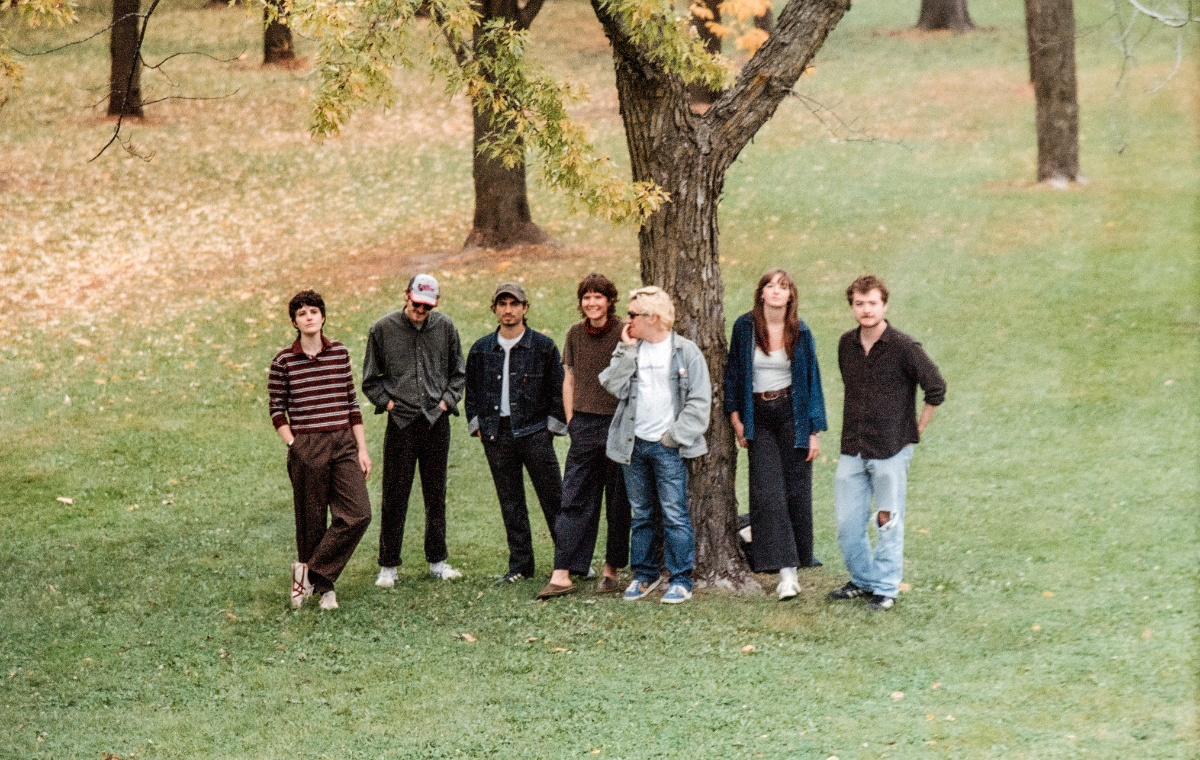
About Racing Mount Pleasant:
Racing Mount Pleasant formed in a small Michigan college town when a group of multi-instrumentalists began trading ideas in a shared practice space. The core lineup includes a lead vocalist and guitarist, a second guitarist handling both electric and acoustic parts, a bassist who doubles on keyboards, a drummer, and an auxiliary player managing percussion and occasional horns. Their sound blends measured indie rock structures with extended instrumental passages, featuring interlocking guitar lines that shift between clean arpeggios and distorted sustains, a rhythm section that maintains a deliberate mid-tempo pulse, and vocals delivered in a restrained, close-miked style that sits low in the mix amid reverb and delay effects.
Current performances take place in mid-sized clubs and theaters that seat a few hundred people, allowing the band to use straightforward lighting rigs with warm washes and occasional side fills rather than elaborate video screens. Setlists typically open with shorter, song-based material before moving into longer pieces that stretch ten to twelve minutes, incorporating gradual builds and quiet breakdowns without relying on extended solos. The venues keep audiences close enough to the stage that small changes in guitar tone or vocal phrasing remain audible throughout the room.
Among earlier achievements, the band issued a self-recorded full-length album that circulated through regional labels and college radio, followed by a split release with a neighboring act that featured two extended tracks developed during joint tours. They have appeared at several multi-day outdoor festivals known for programming a range of independent rock and folk acts, sharing bills with groups that emphasize live improvisation over strict set structures.
The group operates within the broader network of Midwest and Northeast independent rock bands that tour through club circuits and small festivals rather than large arenas. Their audience tends to include listeners already familiar with acts that favor atmospheric textures and patient arrangements, often people who attend multiple shows in a single week and value the opportunity to hear material develop differently each night over polished reproductions of studio versions.
Most evenings run between eighty and ninety minutes, with one or two supporting acts that play similar mid-tempo material and finish their sets around forty minutes each. The rooms usually maintain a steady but not overwhelming volume level, with seating or standing areas that allow attendees to remain in one spot for the full duration while still moving closer to the stage during quieter passages if desired.
